


Post Contents
- 1 What Is Mamajuana?
- 2 The History and Cultural Roots of Mamajuana
- 3 Benefits
- 4 Mamajuana Ingredients Explained
- 5 How Is Mamajuana Made? Traditional Recipe
- 6 How to Drink Mamajuana
- 7 Is Mamajuana an Aphrodisiac?
- 8 Where to Try Mamajuana in Punta Cana
- 9 Can You Bring Mamajuana Home?
- 10 Mamajuana vs Rum: What’s the Difference?
- 11 5 Mamajuana-based cocktail recipes
- 12 Mamajuana FAQs
- 13 Final Thoughts: Experiencing Mamajuana in Punta Cana
If you spend any time in the Dominican Republic, especially in Punta Cana, you will almost certainly hear about mamajuana. Locals talk about it with pride, bartenders offer it as a welcome shot, and travelers quickly become curious about this dark, aromatic drink that seems to carry more stories than ingredients.
After years of living and working around Punta Cana, one thing is clear: mamajuana is not just a drink. It is part of Dominican identity, hospitality, and tradition. In this guide, you will learn exactly what mamajuana is, where it comes from, how it is made, how to drink it, and where to try authentic mamajuana in Punta Cana.
What Is Mamajuana?
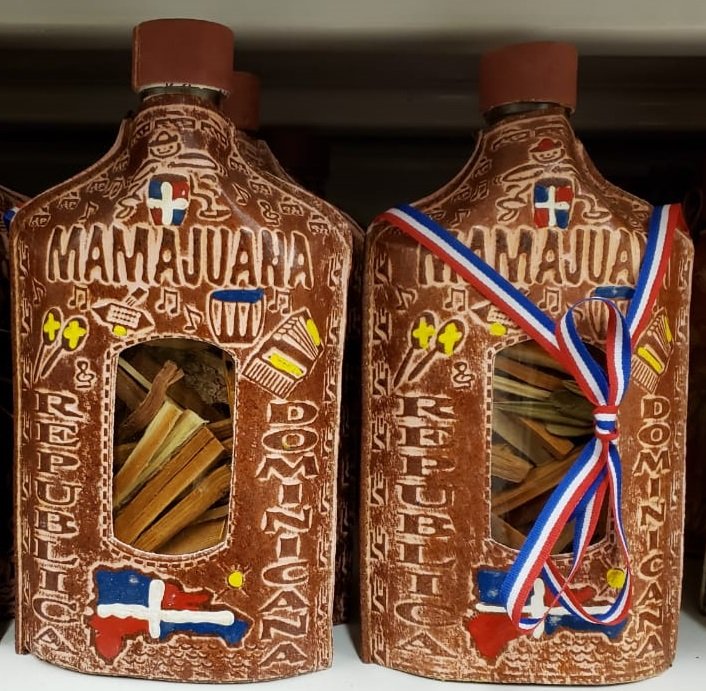
Mamajuana is a traditional Dominican drink made by infusing rum, red wine, and honey with a mixture of tree bark, roots, and herbs. The result is a strong, slightly sweet, earthy-tasting beverage that is deeply tied to Dominican culture.
You will often hear mamajuana described as the Dominican Republic’s signature drink, and that description is accurate. While rum is widely exported and internationally known, mamajuana is something you truly understand only when you experience it locally.
Every bottle of mamajuana is slightly different. The flavor depends on the herbs used, the proportions of alcohol and honey, and even how long the mixture has been aging. This variability is part of what makes mamajuana special.
The History and Cultural Roots of Mamajuana
The origins of mamajuana go back long before tourism or resorts existed in the Dominican Republic. Its roots can be traced to the Taíno people, the island’s original inhabitants, who used herbal infusions for medicinal purposes.
When European settlers arrived, alcohol was introduced into these herbal mixtures. Over time, the drink evolved into what we now know as mamajuana, combining medicinal tradition with social and cultural use.
Today, mamajuana plays an important role in Dominican life. It is commonly offered to guests as a sign of hospitality, shared during celebrations, and enjoyed after meals as a digestif. Many families have their own recipe, often passed down through generations.
From personal experience, some of the best mamajuana you will ever taste is not sold in stores. It is made at home, kept in reused bottles, and proudly offered with a smile and a story.
Benefits
The health benefits or positive effects reported vary, from a flu remedy to an aid for digestion and circulation, a blood cleanser, sexual potency, renal and liver tonic
Being the sexual enhancer the best known of its effects, especially in the Dominican population, this is why for decades it was considered a drink for Men.
Although the greatest benefit is the pleasant time you spend with friends, especially in the “Dominican winter” that is not cold for tourists but for the locals in the fields it is terrible
Mamajuana Ingredients Explained
At first glance, a bottle of mamajuana can look intimidating. Inside, you will see a tangled mix of roots and bark submerged in dark liquid. These ingredients are essential to the drink’s flavor and character.
What tree bark is in Mamajuana?
While recipes vary, traditional mamajuana usually includes:
- Anam· (Petiveria alliacea)
- Anis Estrellado (Illicium verum)
- Bohuco Pega Palo (Cissus verticillata)
- Albahaca (Ocimum basilicum)
- Canelilla (Cinnamodendron ekmanii)
- Bojuco Caro (Princess Vine)
- Marabeli (Securidaca virgata)
- Clavo Dulce (Whole Clove)
- Maguey (Agave spp.) leaves
- Timacle (Chiococca alba)
in some regions they also add shellfish to the mixture
-
Dark rum, typically Dominican
-
Red wine
-
Honey
The herbs are dried and placed inside the bottle first. Alcohol and honey are added later to extract flavor and color from the wood and roots.
There is no single official recipe. This is why mamajuana tastes slightly different depending on where you try it and who made it.
How Is Mamajuana Made? Traditional Recipe
Making mamajuana is more of a process than a precise recipe. Locals rarely measure ingredients exactly, relying instead on experience and personal preference.
Step-by-Step Overview
-
Prepare the herbs
The dry roots and bark are placed inside a glass bottle. -
First curing process
The bottle is filled with cheap rum or wine and left to sit for several days or weeks. This liquid is then discarded, as it helps clean and activate the herbs. -
Final mixture
The bottle is refilled with a mix of rum, red wine, and honey. A common ratio is roughly 70 percent rum, 25 percent wine, and 5 percent honey, but this varies. -
Aging time
The mixture rests for several days to several weeks before drinking.
One interesting detail is that a single bottle of herbs can be reused many times. As long as the liquid level is maintained, the roots continue to infuse flavor.
How to Drink Mamajuana
Mamajuana is usually consumed in small amounts. It is not meant to be rushed.
Common Ways to Enjoy Mamajuana
-
As a shot, often served at room temperature
-
Sipped slowly, especially after meals
-
Shared socially, during gatherings or celebrations
The flavor is strong but smooth, with notes of wood, spice, sweetness, and alcohol warmth. The alcohol content is similar to strong rum-based drinks, so moderation is important.
From experience, first-time visitors are often surprised by how easy mamajuana is to drink, despite its dark appearance.
Is Mamajuana an Aphrodisiac?
Mamajuana is famously associated with aphrodisiac properties. This belief is deeply rooted in Dominican folklore, and many locals confidently claim it boosts energy and vitality.
While there is no scientific evidence to support these claims, the reputation persists and is part of the drink’s mystique. Whether fact or folklore, mamajuana remains a symbol of strength and vitality in Dominican culture.
Where to Try Mamajuana in Punta Cana
If you are visiting Punta Cana, you will have plenty of opportunities to try mamajuana, but not all experiences are the same.
Best Places to Try Mamajuana
-
All-inclusive resorts, where it is often offered as a welcome drink
-
Local excursions, especially cultural or countryside tours
-
Small local shops, selling homemade bottles
From personal experience working with travelers, the most authentic mamajuana experiences usually happen during excursions outside the resort areas. Visiting local communities, markets, or rural areas gives you a better sense of how Dominicans actually enjoy this drink.
If you are planning activities in Punta Cana, choosing excursions that include cultural elements is a great way to experience mamajuana in its natural context.
Tours Where You Can Try Mamajuana in Punta Cana
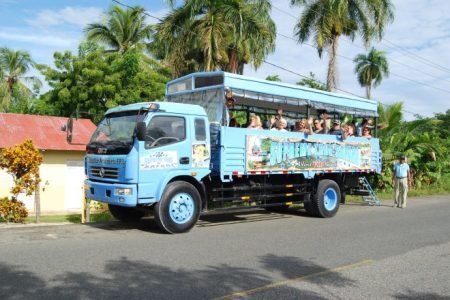
Truck Safari – Cultural Tour in Punta Cana
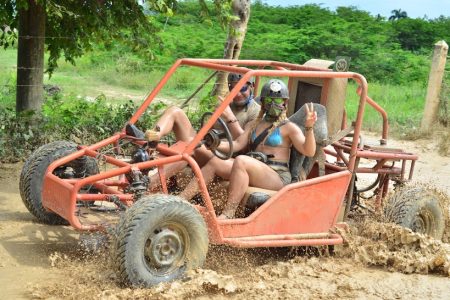
Macao Dune Boogies Double – (2 Seats Car)
Where to buy Mamajuana in Punta Cana
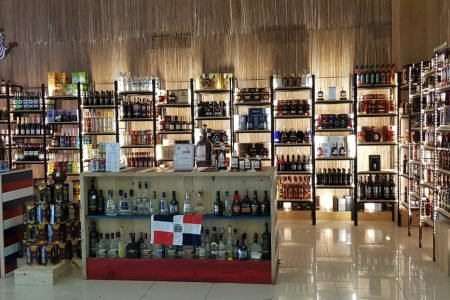
Shopping Tour in Punta Cana – FREE Shuttle
Can You Bring Mamajuana Home?
Many travelers want to take mamajuana home as a souvenir. The good news is that this is usually possible.
Travel Tips
-
Dry mamajuana sticks are easier to transport and widely sold
-
Prepared bottles may be allowed in checked luggage if sealed properly
-
Always check airline and customs regulations before traveling
Dry kits allow you to recreate mamajuana at home, though the flavor is often best when enjoyed fresh in the Dominican Republic.
Mamajuana vs Rum: What’s the Difference?
While rum is an ingredient in mamajuana, the two drinks are very different experiences.
-
Rum is distilled and standardized
-
Mamajuana is infused, rustic, and variable
Think of rum as a polished export product, while mamajuana is a cultural tradition meant to be shared locally.
5 Mamajuana-based cocktail recipes
The Names are usually very funny so handle it at your discretion
1: PUNTA CANA
- 2 oz of Mamajuana
- 2 oz of Passion fruit juice
- 1 oz of lemon juice.
Mix everything and serve
2: TIGUERE
Do you dare with spicy?
- 3 oz of Mamajuana
- 2 oz of lemon juice.
- 1 oz of Jalapeno rubber syrup
Mix everything and serve
3: ORIENTE CALIENTE
Are you ready for an “adult time”? Surprise your partner with this stimulating cocktail mixing
- 2 o.z of Mamajuana,
- 2 oz of prosecco
- 2 oz of Yuzu Liqueur (citrus liqueur).
4: HAPPY ENDING
if the cold is attacking you with the weather change, fight it with kombucha. Mixture
- 3 oz de kombucha con
- 3 oz Mamajuana
5: OLD FASHIONED
update this classic by replacing whiskey with rum or bourbon.
- 1 sugar cube with
- 2 drops of Angostura bitters
- 2 oz of Mamajuana,
- Ice
- A slice of orange peel.
Mamajuana FAQs
What does mamajuana taste like?
It tastes herbal, slightly sweet, woody, and warm, with noticeable alcohol strength.
Is mamajuana strong?
Yes. It has a similar strength to rum-based spirits.
Is mamajuana a drug?
NO.. Mamajuana is a liquor and is known as the national drink of the Dominican Republic
Is mamajuana safe to drink?
When prepared properly using known ingredients, it is generally safe. Always drink from trusted sources.
How long does mamajuana last?
As long as alcohol remains in the bottle, it can last for months or even years.
How many times can you refill Mamajuana?
Some people claim that the bottle can be refilled 15 to 20 times; but many locals people say there is no limit on how many times the bottle can be refilled.
As you can see, there is still a lot of debate about that
Is mamajuana only found in the Dominican Republic?
Yes. While some versions are exported, authentic mamajuana is uniquely Dominican.
Final Thoughts: Experiencing Mamajuana in Punta Cana
Mamajuana is more than a traditional Dominican drink. It represents history, hospitality, and local pride. Trying it is not just about tasting alcohol. It is about connecting with Dominican culture in a meaningful way.
If you are visiting Punta Cana, experiencing mamajuana should be part of your journey. Whether you try it at your resort, during an excursion, or through a local guide, it adds depth and authenticity to your trip.
For travelers looking to explore beyond the resort and enjoy authentic local experiences, combining cultural activities with reliable transportation makes the experience smoother and more enjoyable. Punta Cana offers countless opportunities to discover traditions like mamajuana in the places where they truly belong.