


Post Contents
- 1 What Does Punta Cana Mean? (Etymology Explained)
- 2 The Historical Names Before “Punta Cana”
- 3 When and Why the Name Changed to Punta Cana
- 4 What Are “Cana” Palms? Botanical and Cultural Context
- 5 The Symbolic Meaning of Punta Cana Today
- 6 From Isolated Jungle to a Caribbean Tourism Leader
- 7 Frequently Asked Questions About the Name Punta Cana
- 8 Planning a Trip to Punta Cana? Suggested Resources
- 9 Conclusion
Punta Cana is one of the most famous beach destinations in the Caribbean, but many visitors are surprised to learn that the name has a very natural and very local meaning. While it sounds exotic and tropical, the translation is actually simple: Punta Cana means “the Point of the Cana palm trees.”
The name reflects the landscape that originally defined this region, a coastline filled with thick vegetation and tall cana palms, a type of native palm tree whose long leaves were traditionally used for roofing rural homes. However, the story goes beyond this literal translation. Throughout history, the area has had several different names, and understanding them provides insight into the cultural identity of Punta Cana.
If you are planning a visit, this guide explains the full meaning and history behind the name. You can also check our guide on how to get from Punta Cana Airport to your hotel.
What Does Punta Cana Mean? (Etymology Explained)
The name consists of two Spanish words:
Punta: point, tip or cape
Cana: a type of palm tree known locally as “palma cana”
Together, Punta Cana translates into “Cape of the Cana Palms” or “Point of the Cana Palms.”
What is a Cana palm?
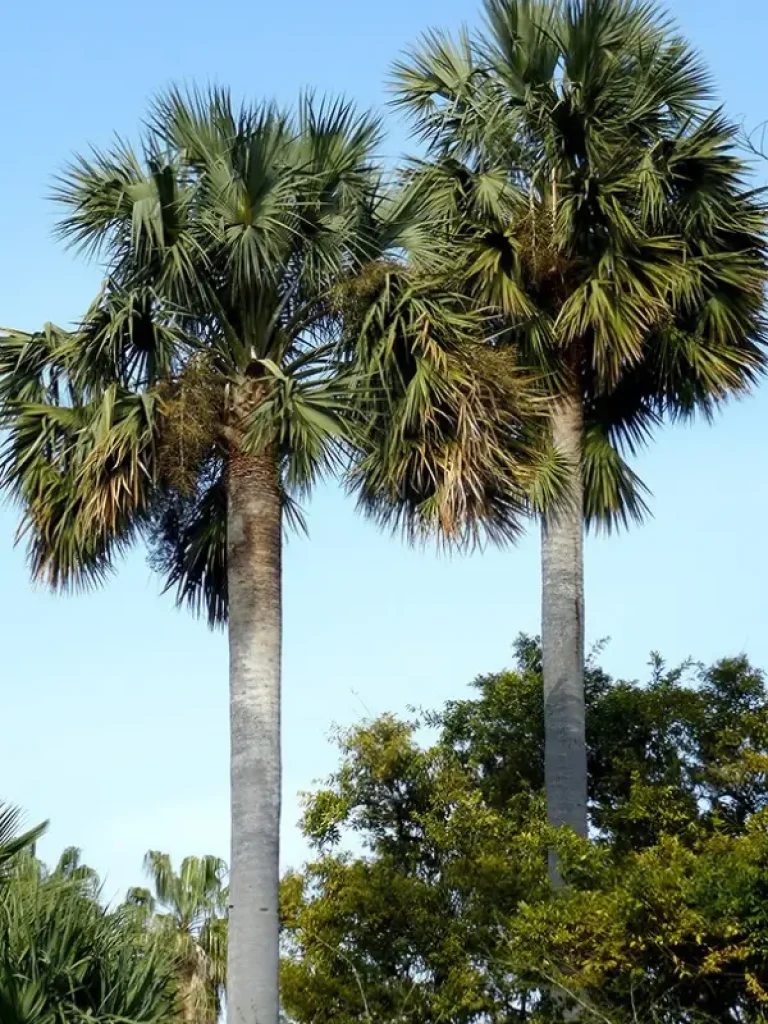
The palma cana is a native Dominican palm recognized by its wide fan-shaped leaves and cane-like stems. Historically, the leaves were used to create traditional cana roofs in rural communities. They were durable, easy to work with and plentiful in the eastern Dominican Republic.
When explorers and settlers arrived, they found that the coastline was full of cana palms, especially near landforms that extended toward the sea. As a result, the name Punta Cana became a descriptive and practical way to identify the area.
Characteristics of the Cana palm
Large fan-shaped leaves
Strong fibrous stems
Excellent for thatched roofing
Resistant to sun and rain
Abundant in eastern Dominican Republic
The Historical Names Before “Punta Cana”
Long before becoming a world-class tourism destination, the region was known by other names. These older names provide valuable context about its cultural and geographic history.
Yauya, the Indigenous Name
The earliest known reference to the area is Yauya, a term believed to have Taino origins. Although the meaning is not completely clear, historians suggest that Yauya may have referred to a local chiefdom or a specific part of the coastal landscape.
While the name is no longer used in daily life, it highlights that the region had its own identity long before European contact.
Punta Borrachón, the Colonial-Era Name
Before the area was formally renamed Punta Cana, it was known locally as Punta Borrachón. This name appeared in maps and stories from residents who lived there before tourism development began.
Reasons for the name vary:
Some believe it referred to a tall local tree known as “borrachón.”
Others say sailors used the point as a reference during long voyages.
A few versions claim it was a humorous nickname among fishermen.
Regardless of the explanation, the area was remote, covered in dense forest and difficult to access.
When and Why the Name Changed to Punta Cana
The name Punta Cana became official during the first stages of tourism investment in the late 1960s and early 1970s. A group of investors recognized the beauty of the coastline and decided to develop the region.
They chose the name Punta Cana for three reasons:
It reflected the natural vegetation that defined the area
It was easy to pronounce in many languages
It had the potential to become a strong international brand
From that moment forward, Punta Cana began transforming into the major tourism destination that it is today.
What Are “Cana” Palms? Botanical and Cultural Context
Understanding the meaning of Punta Cana requires understanding the importance of Cana Palms.
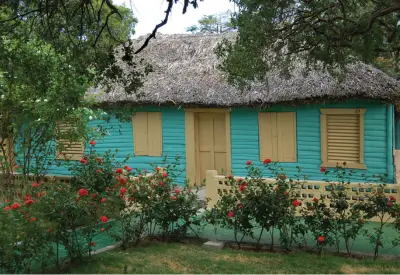
For generations, Dominican families used cana roofs to keep homes cool during the tropical heat. This technique is still seen today in beach bars, ecological resorts and traditional rural houses.
The prominence of these palms, combined with their cultural role, explains why they became the inspiration for the region’s modern name.
The Symbolic Meaning of Punta Cana Today
Although the literal meaning refers to a type of palm tree, the name carries broader symbolism today.
Punta Cana now represents:
Natural beauty
Palm-lined beaches
Relaxed Caribbean living
Luxury resorts and international tourism
Eco-friendly experiences
Warm tropical weather
The name has grown into a global symbol of paradise-like beaches and vacation experiences. It is as much a brand as it is a geographic name.
From Isolated Jungle to a Caribbean Tourism Leader
To appreciate the meaning of the name, it is helpful to understand how the region evolved.
Before tourism
Up until the mid twentieth century, Punta Cana was extremely remote. The area was:
Thickly forested
Sparsely populated
Largely undeveloped
Accessible only by rough trails
Local residents from nearby towns recall that reaching the coast required hours of walking or traveling on dirt paths.
After tourism development
Once the Punta Cana name was adopted and the region began to receive investment, everything changed. Roads were built, hotels opened and the airport was constructed, making access easy for international travelers.
Today, Punta Cana:
Welcomes millions of travelers every year
Offers dozens of modern resorts
Features more than 40 miles of beaches
Operates one of the busiest airports in the Caribbean
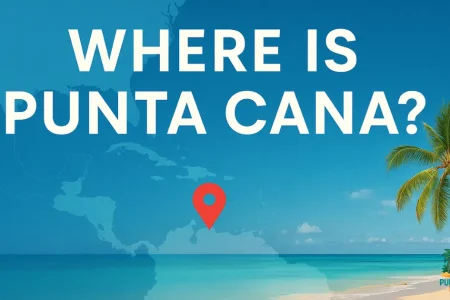
For a complete guide to the location and regions within Punta Cana, you can read “Where Is Punta Cana?”
Frequently Asked Questions About the Name Punta Cana
Does Punta Cana mean “white palm point”?
No. Although many palm species have light-colored leaves, the name refers specifically to the cana palm.
Is Punta Cana derived from Spanish or indigenous words?
The words punta and cana are Spanish, but the area had previous indigenous names, including Yauya.
What exactly is “cana”?
It refers to a type of palm with long leaves traditionally used for roofing.
Are cana palms still found in Punta Cana today?
Yes. Although the region has developed significantly, cana palms remain common in natural areas and rural zones.
Planning a Trip to Punta Cana? Suggested Resources
Now that you know the meaning behind the name Punta Cana, you might be preparing your own visit.
To make your experience smoother, consider:
Booking your private airport transfer
Exploring the best excursions in Punta Cana such as Saona Island, catamaran trips and eco adventures
These options help visitors enjoy the landscapes that inspired the name Punta Cana.
Conclusion
Punta Cana has a simple yet meaningful translation. It means “the Point of the Cana palms.” The name reflects the vegetation that once covered the coastline and continues to shape the identity of the region. From its indigenous origins and early colonial names to its transformation into a tourism powerhouse, the meaning of Punta Cana ties together nature, culture and history.
Whether you are exploring the word’s origin or preparing your next vacation, understanding the meaning helps you appreciate the destination even more.